Expected Annual Pay (Texas)
$81,830
Average salary range

Expected Annual Pay (Texas)
$81,830
Average salary range
Job Outlook (Texas)
+16%
Employment growth
Level of Education Required
Most early childhood mental health professionals hold a master's degree, doctoral degree, or other professional degree in psychology, counseling, social work, marriage and family therapy, or a related behavioral health field. The specific educational requirements vary depending on the type of license and scope of practice.
Minimum requirement
Credentials or Licenses Required
Mental health professionals typically must hold a state-issued professional license appropriate to their field. Examples may include Licensed Psychologist, Licensed Professional Counselor (LPC), Licensed Clinical Social Worker (LCSW), or Licensed Marriage and Family Therapist (LMFT).
Licenses / Certificates
Work Experience Typically Required
Most mental health professionals gain experience through supervised clinical training, internships, practicums, or post-graduate supervised practice before becoming independently licensed. Experience working with children, families, educators, or behavioral health systems is often preferred for professionals serving early childhood settings.
Related experience needed
A mental health professional supporting early childhood settings provides assessment, intervention, and consultation to promote children’s social‑emotional well‑being. Day‑to‑day responsibilities may include:
Explore different career paths within education and find the one that fits your passion

Nia first became interested in children’s mental health while volunteering in an afterschool program during college. She earned a doctorate in psychology and completed clinical training focused on young children and families. As an early childhood mental health professional, she enjoys helping educators and caregivers better understand children’s social-emotional development. In the future, she hopes to move into research and policy work that improves access to early childhood mental health services.
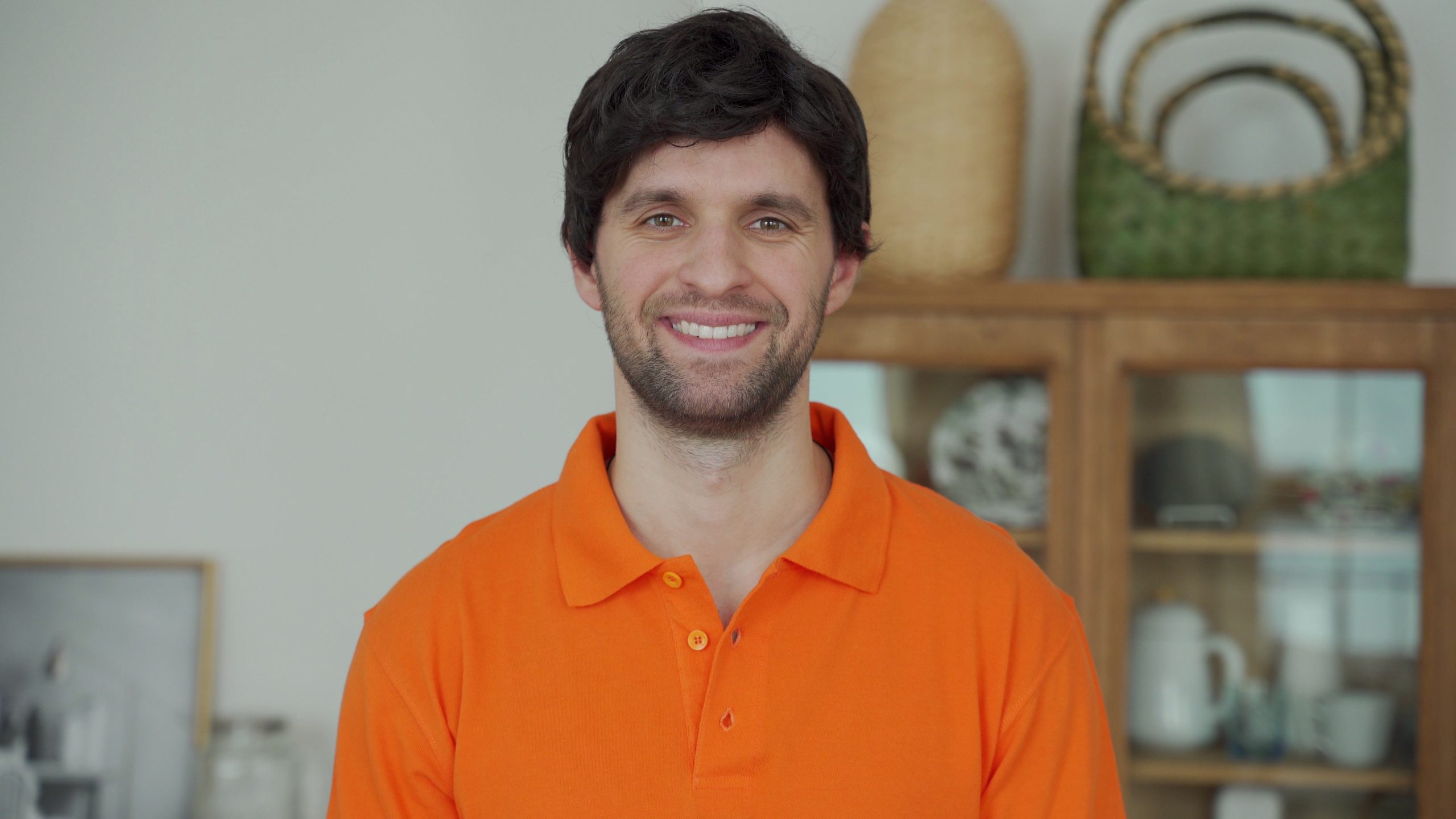
Harrison began his career as a licensed professional counselor working with children and adolescents in a community mental health agency. Over time, he became interested in prevention and early intervention, which led him to work closely with early childhood programs and educators. He values collaborating with families and teachers to support children’s well-being and would like to eventually become a clinical supervisor or program director.

Elyse started her career as a school-based social worker before pursuing additional clinical training and licensure. Through her work, she developed a passion for supporting children during the earliest years of development and helping families navigate challenges before they become more significant concerns. She plans to remain in direct early childhood mental health practice long-term because she enjoys the combination of family partnership, consultation, and clinical support.
People in this role often previously worked as:
People in this role often previously worked as:
With experience, people in this role may move into:
With experience, people in this role may move into: