Expected Annual Pay (Texas)
$89,450
Average salary range

Expected Annual Pay (Texas)
$89,450
Average salary range
Job Outlook (Texas)
+31%
Employment growth
Level of Education Required
Master's degree in Speech-Language Pathology, Communication Sciences and Disorders, or a closely related field from an accredited program. Completion of supervised clinical practicum and clinical fellowship requirements as required for licensure.
Minimum requirement
Credentials or Licenses Required
Speech-Language Pathologist (SLP) license issued by the Texas Department of Licensing and Regulation (TDLR). Passing score on the national Praxis Examination in Speech-Language Pathology. Passing score on the Texas Jurisprudence Examination. Certificate of Clinical Competence in Speech-Language Pathology (CCC-SLP) from the American Speech-Language-Hearing Association (ASHA) (preferred or required by some employers).
Licenses / Certificates
Work Experience Typically Required
Speech-language pathologists gain experience through supervised clinical practicum experiences and clinical fellowships completed as part of their professional preparation. An applicant must have completed at least 25 clock hours of supervised observation and about 400 hours of supervised direct client contact. Many also have prior experience working with children and families through early intervention, education, childcare, special education, healthcare, or therapy support roles
Related experience needed
A speech‑language pathologist evaluates and treats individuals with speech, language, voice, and swallowing disorders. Day‑to‑day responsibilities may include:
Explore different career paths within education and find the one that fits your passion

Kelsey started her career as an assistant teacher in a preschool classroom while earning her bachelor’s degree. Through her work with young children, she became interested in language development and the ways communication influences learning and social relationships. After completing a master’s degree in speech-language pathology and all her licensure requirements, she became a speech-language pathologist. She hopes to specialize in early intervention services for infants and toddlers.
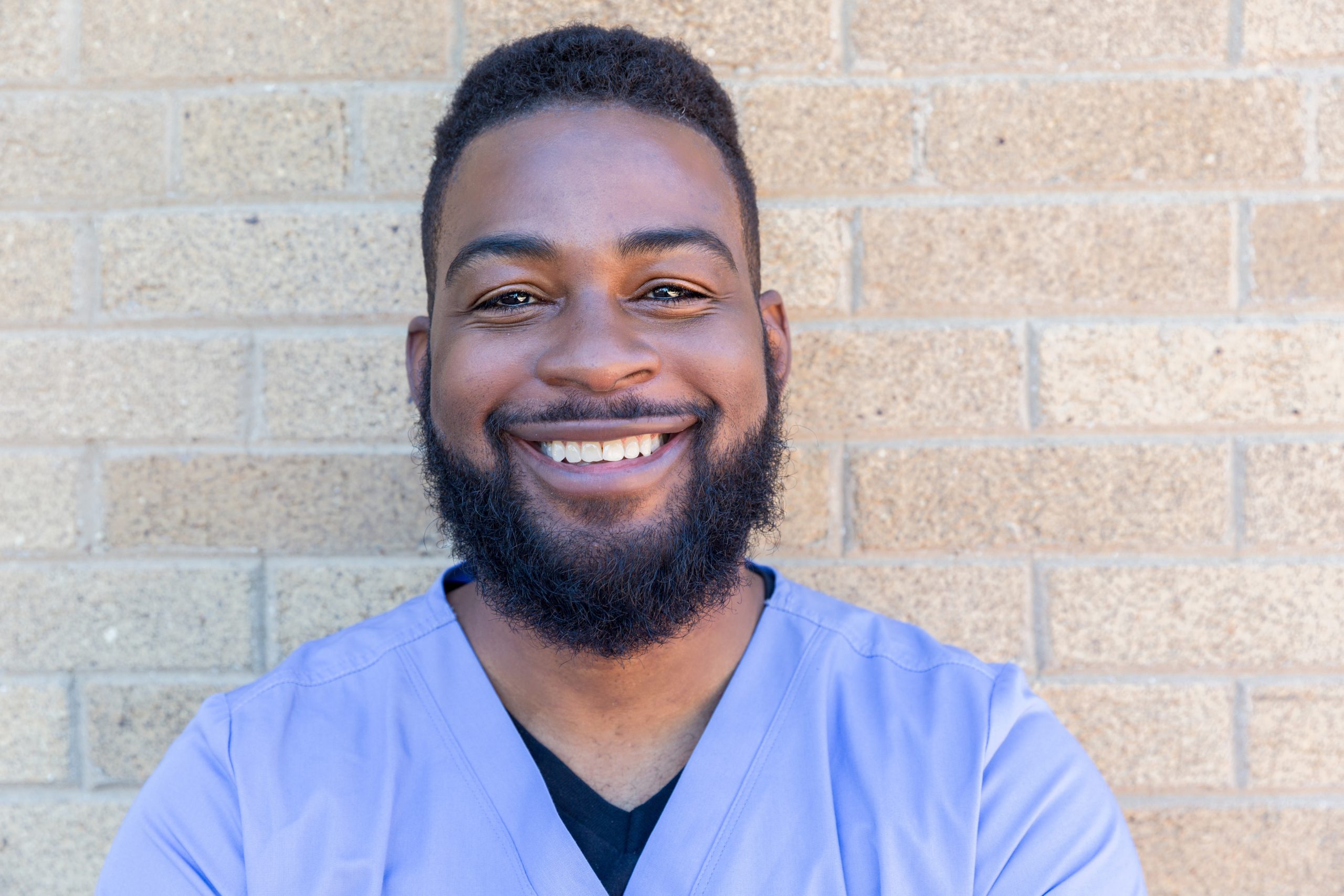
Trenton began his career as an early intervention specialist supporting young children with developmental delays and their families. Working alongside therapists inspired him to pursue a master’s degree in speech-language pathology. As a speech-language pathologist, he enjoys collaborating with families, educators, and other professionals to help children develop communication skills. In the future, he would like to move into a clinical supervisor role.

Whitney first worked as an afterschool teacher during college and enjoyed helping children build confidence through communication and learning activities. After learning more about speech and language development, she pursued graduate study in speech-language pathology. She plans to remain a speech-language pathologist long-term because she enjoys working directly with children and families and helping them achieve meaningful communication goals.
People in this role often previously worked as:
People in this role often previously worked as:
With experience, people in this role may move into:
With experience, people in this role may move into: