Expected Annual Pay (Texas)
$78,490
Average salary range

Expected Annual Pay (Texas)
$78,490
Average salary range
Job Outlook (Texas)
+9%
Employment growth
Level of Education Required
Most university and community college faculty members hold a master's degree, doctoral degree, or other advanced degree in their field. Requirements vary by college: community colleges often hire faculty with a master's degree, while many university faculty positions require a doctorate.
Minimum requirement
Credentials or Licenses Required
Depending on the subject area, institutions may prefer or require professional licenses, certifications, or specialized credentials relevant to the topics being taught.
Licenses / Certificates
Work Experience Typically Required
Most faculty members have prior experience in education, research, industry, professional practice, or a combination of these areas. Experience mentoring learners, developing educational content, and communicating complex concepts is often valued.
Related experience needed
As a faculty member at a university or community college, your day would focus on teaching, supporting students, and advancing knowledge in your field. You might:
Explore different career paths within education and find the one that fits your passion
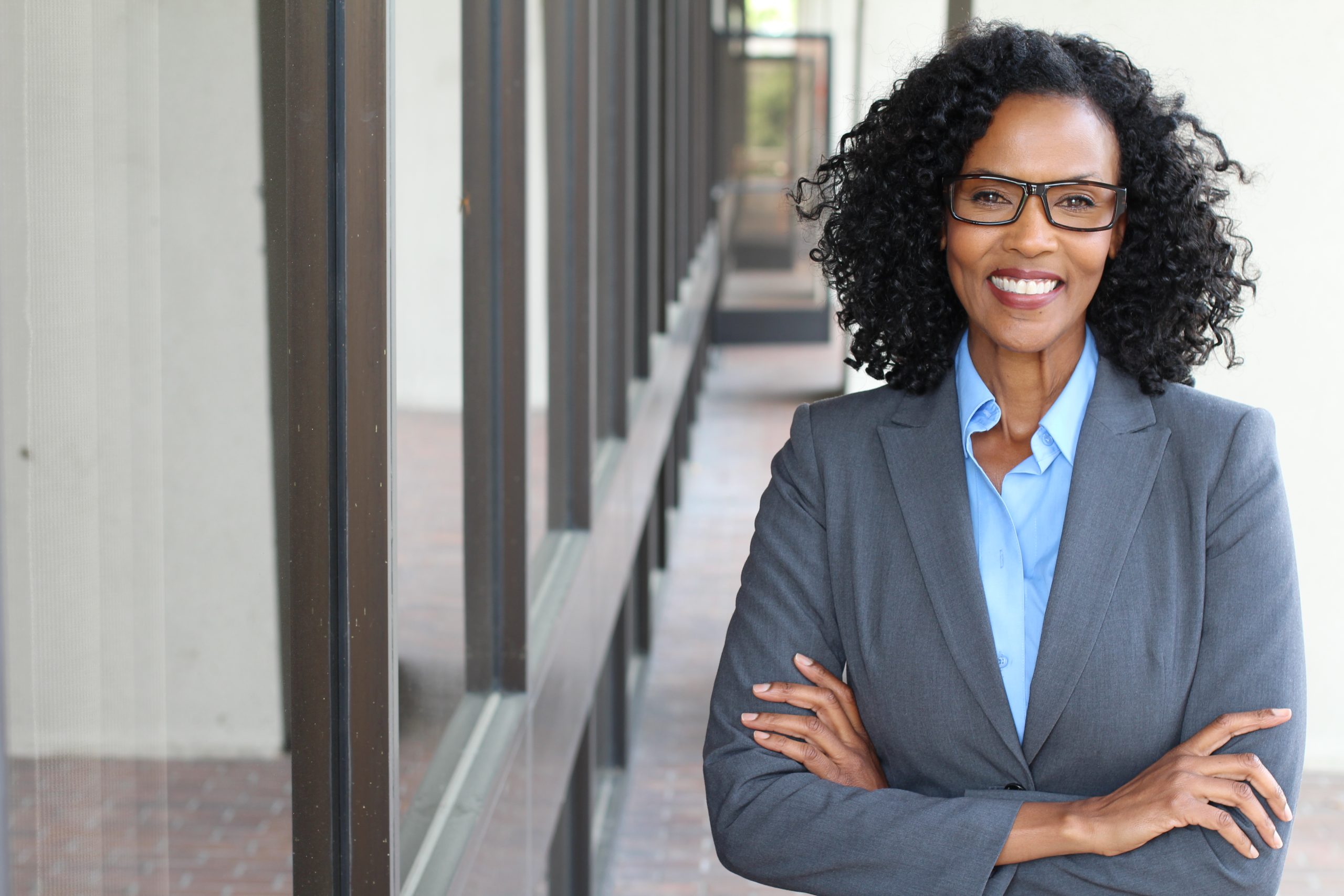
Simone began her career as a preschool teacher and later became an instructional coach supporting early childhood educators. As she mentored teachers, she discovered a passion for adult learning and educator preparation. After earning a master’s degree in child development, she became a community college instructor preparing future early childhood professionals. She hopes to eventually serve as a department chair and help shape educator preparation programs.
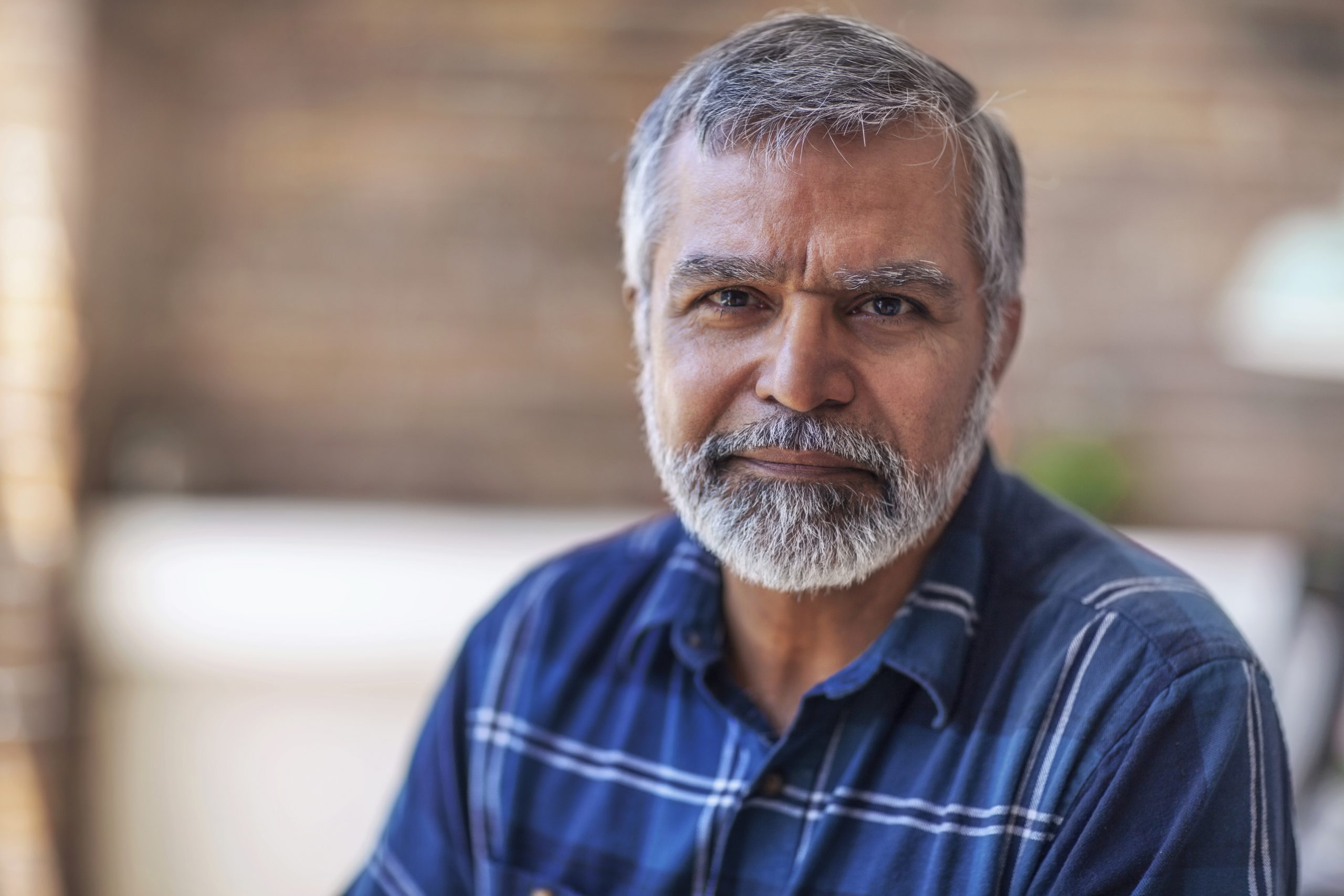
Elijah started as an afterschool program coordinator while attending college. His experiences working with children and families inspired him to pursue a career in education. After teaching in public schools and completing doctoral studies, he transitioned into higher education. As a faculty member, he enjoys helping students connect theory to practice and would like to contribute to research that improves outcomes for children and families.
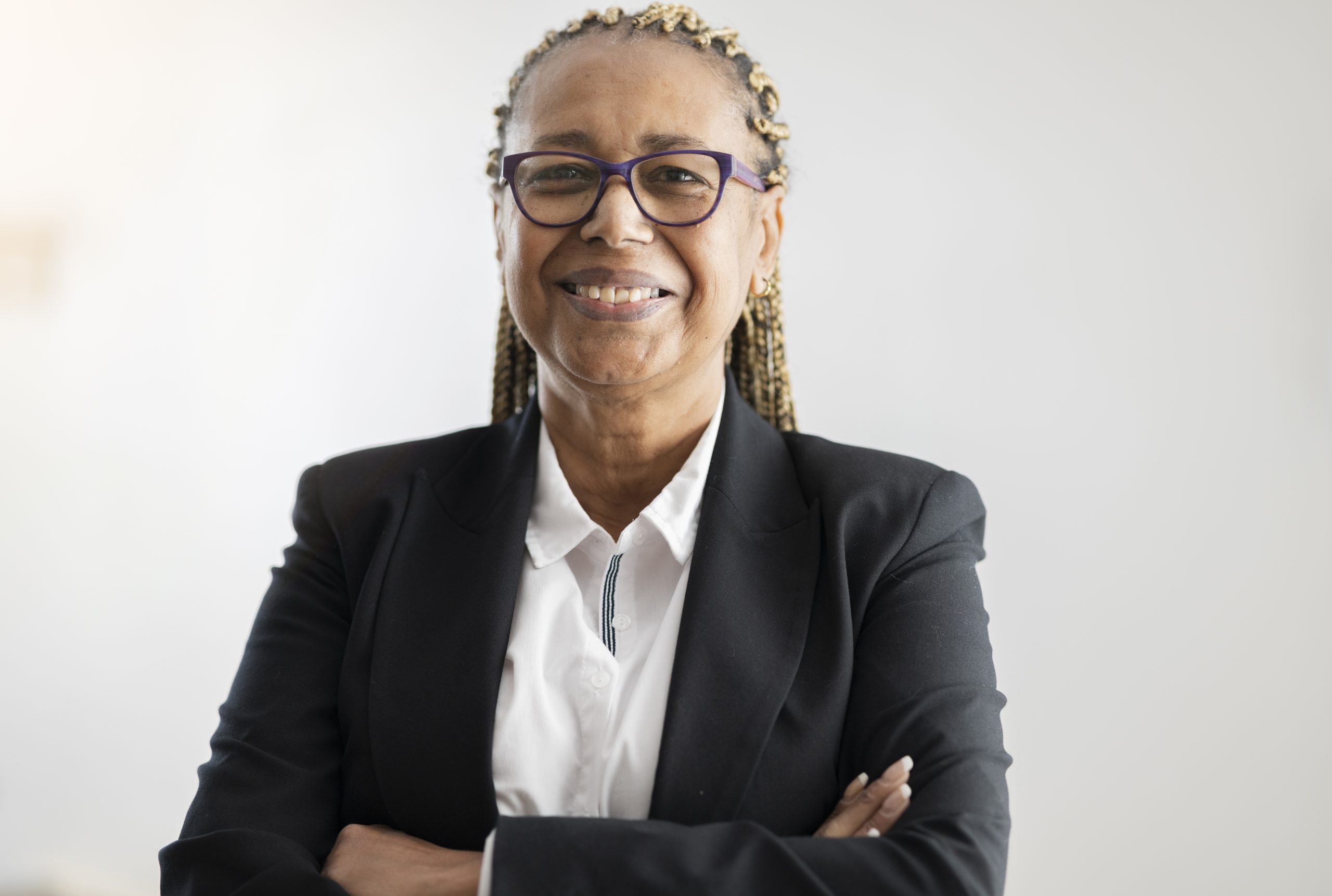
Felicia spent several years as an early childhood center director before pursuing her master’s degree. Her leadership experience has given her insight into the challenges and opportunities facing the workforce, which she now brings to her teaching at a local community college, in addition to offering training services to community child care centers. She plans to remain a faculty member and trainer in the long term because she enjoys preparing the next generation of educators and leaders while staying connected to the field through service and mentorship.
People in this role often previously worked as:
People in this role often previously worked as:
With experience, people in this role may move into:
With experience, people in this role may move into: